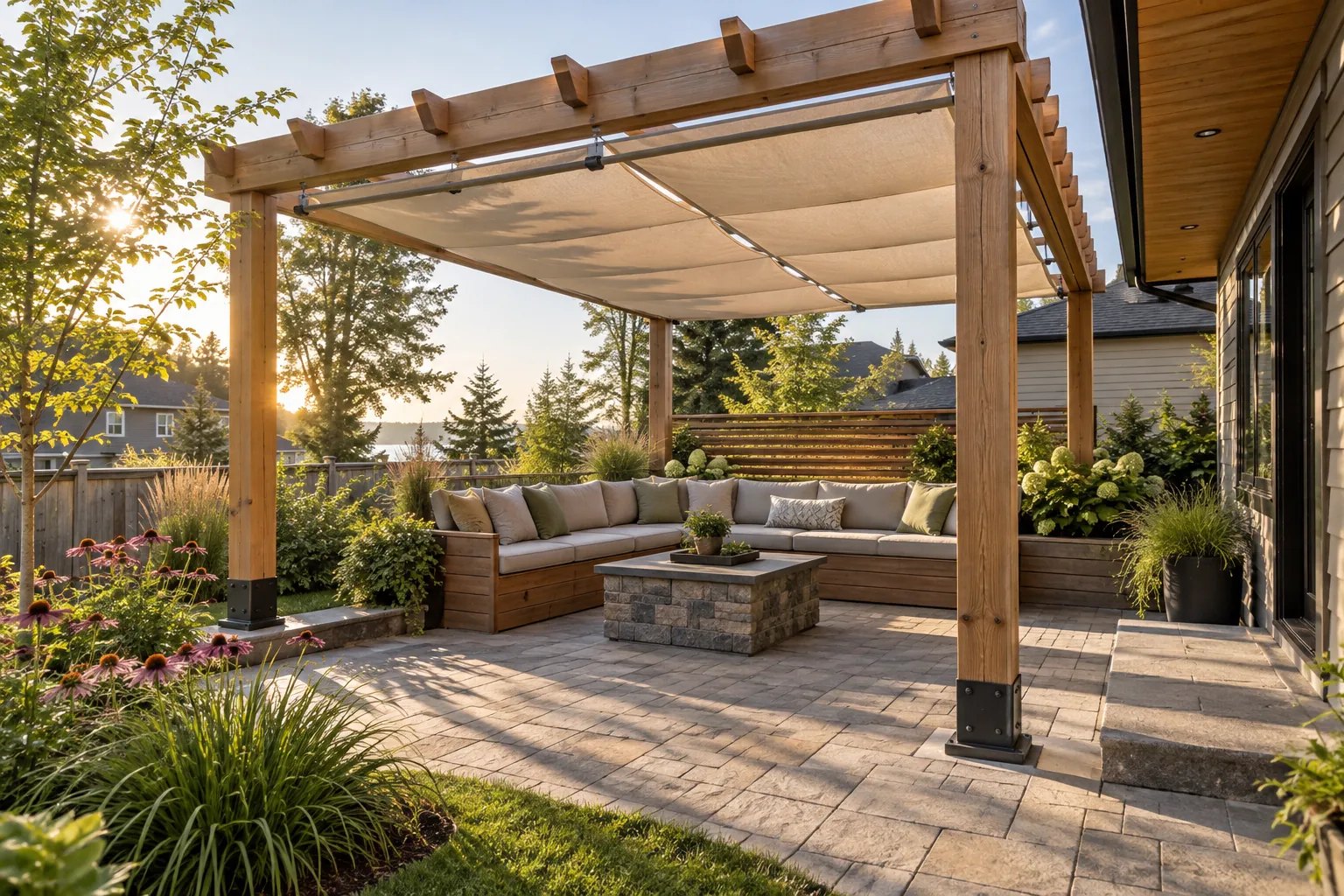
First garden power should be mapped around the equipment and locations the household intends to use.
Resolve the important fit decisions
List lighting, tools, water features and outbuilding needs with load information. Separate occasional sockets from permanently connected equipment. Ask for the proposed arrangement to be described before products, dates or connected work are committed. Photographs help establish the brief; concealed conditions may still need a visit.
Coordinate the surrounding work
Have a qualified electrical provider assess supply capacity, protection and suitable outdoor routes. Coordinate utility-location work before excavation and record finish restoration. Record what the quoted work assumes about the room and identify who will address a condition that falls outside those assumptions. That keeps the next step practical and comparable.
Define a useful finished result
Request a defined equipment and route proposal with approvals, testing and identification included. Send HAUSE the relevant measurements, accessible photographs and your preferred outcome. A focused enquiry gives the provider a better starting point for confirming scope, suitability and availability.
What shapes the scope?
- Equipment and demand
- Route and distance
- Outdoor protection and installation
- Ground work and approvals
What should be checked?
- Loads and locations recorded
- Responsibilities assigned
- Testing and records specified
Questions worth asking
Can a long extension lead replace new infrastructure?
Do not assume a temporary lead suits a permanent need. Request an assessed arrangement for the actual use.
Does planning include trenching?
Only if expressly included. Identify who performs ground work and who owns the electrical installation.
Bring the details together.
Add this service to My project. Tell HAUSE what you have, what you want to achieve and where the work is needed. A clearer brief makes it easier to discuss the right assessment, responsible trades and written scope.
Build my project brief ↗