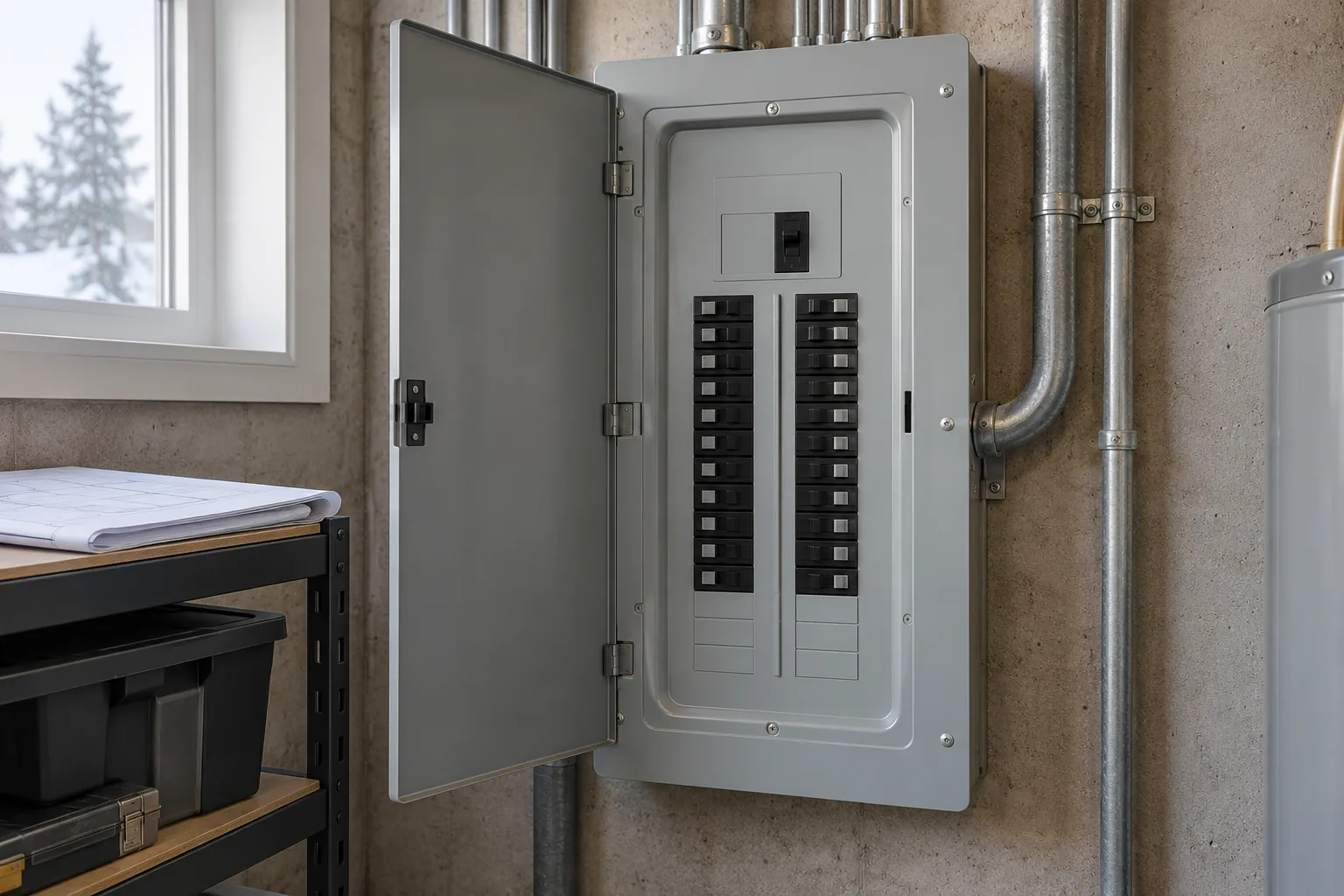
First task-lighting power should work with cabinetry, work surfaces and controls from the beginning.
Resolve the important fit decisions
Review the preparation areas, cabinet depths and fixture arrangement. Decide where drivers or transformers can remain accessible and where reflections may cause glare. Ask for the proposed arrangement to be described before products, dates or connected work are committed. Photographs help establish the brief; concealed conditions may still need a visit.
Coordinate the surrounding work
Coordinate new wiring and controls with cabinet fabrication. Have the electrical provider confirm product compatibility and the treatment of concealed connections. Record what the quoted work assumes about the room and identify who will address a condition that falls outside those assumptions. That keeps the next step practical and comparable.
Define a useful finished result
Agree even task illumination, usable controls and access to serviceable components. Send HAUSE the relevant measurements, accessible photographs and your preferred outcome. A focused enquiry gives the provider a better starting point for confirming scope, suitability and availability.
What shapes the scope?
- Fixture and driver system
- Cabinet integration
- Switching and dimming
- New routes and finish work
What should be checked?
- Worktop lighting reviewed
- Controls operate
- Drivers remain accessible
Questions worth asking
Can drivers be sealed inside cabinets?
Service access and the product’s ventilation requirements need to be preserved. Agree their location before cabinetry is completed.
Is this the same as fitting a ceiling light?
No. Cabinet integration, work-surface light and accessible power components create a distinct task-lighting brief.
Bring the details together.
Add this service to My project. Tell HAUSE what you have, what you want to achieve and where the work is needed. A clearer brief makes it easier to discuss the right assessment, responsible trades and written scope.
Build my project brief ↗