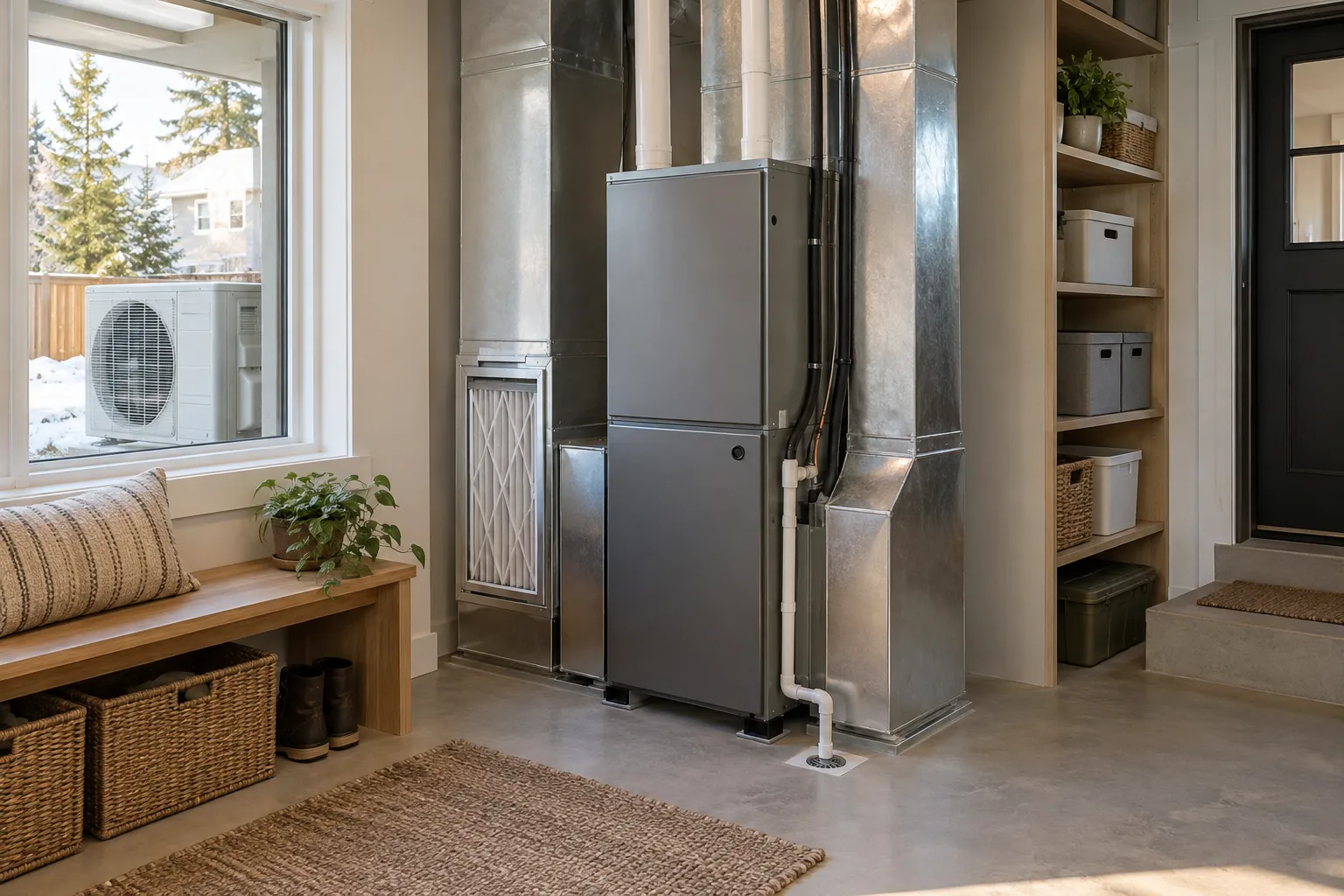
First utility-control labelling should make verified information easier to find without inviting unsafe operation.
Resolve the important fit decisions
Identify the controls to be labelled and the records already available. Electricity, gas and water controls need confirmation by suitable professionals. Ask for the proposed arrangement to be described before products, dates or connected work are committed. Photographs help establish the brief; concealed conditions may still need a visit.
Coordinate the surrounding work
Use durable, readable labels that distinguish a verified function from an uncertain one. Keep service access clear and do not label an assumed circuit or valve as fact. Record what the quoted work assumes about the room and identify who will address a condition that falls outside those assumptions. That keeps the next step practical and comparable.
Define a useful finished result
Agree a concise control record and explanation of the household actions the relevant professional recommends. Send HAUSE the relevant measurements, accessible photographs and your preferred outcome. A focused enquiry gives the provider a better starting point for confirming scope, suitability and availability.
What shapes the scope?
- Number and type of controls
- Verification required
- Label materials and access
- Record and household explanation
What should be checked?
- Labels match verified functions
- Access retained
- Uncertain items recorded
Questions worth asking
Can labels be assigned from appearance alone?
No. The relevant provider should verify functions before labels are treated as reliable operating information.
Does labelling include modifying shut-offs?
No. New controls, repairs or system alterations require their own assessed trade scope.
Bring the details together.
Add this service to My project. Tell HAUSE what you have, what you want to achieve and where the work is needed. A clearer brief makes it easier to discuss the right assessment, responsible trades and written scope.
Build my project brief ↗