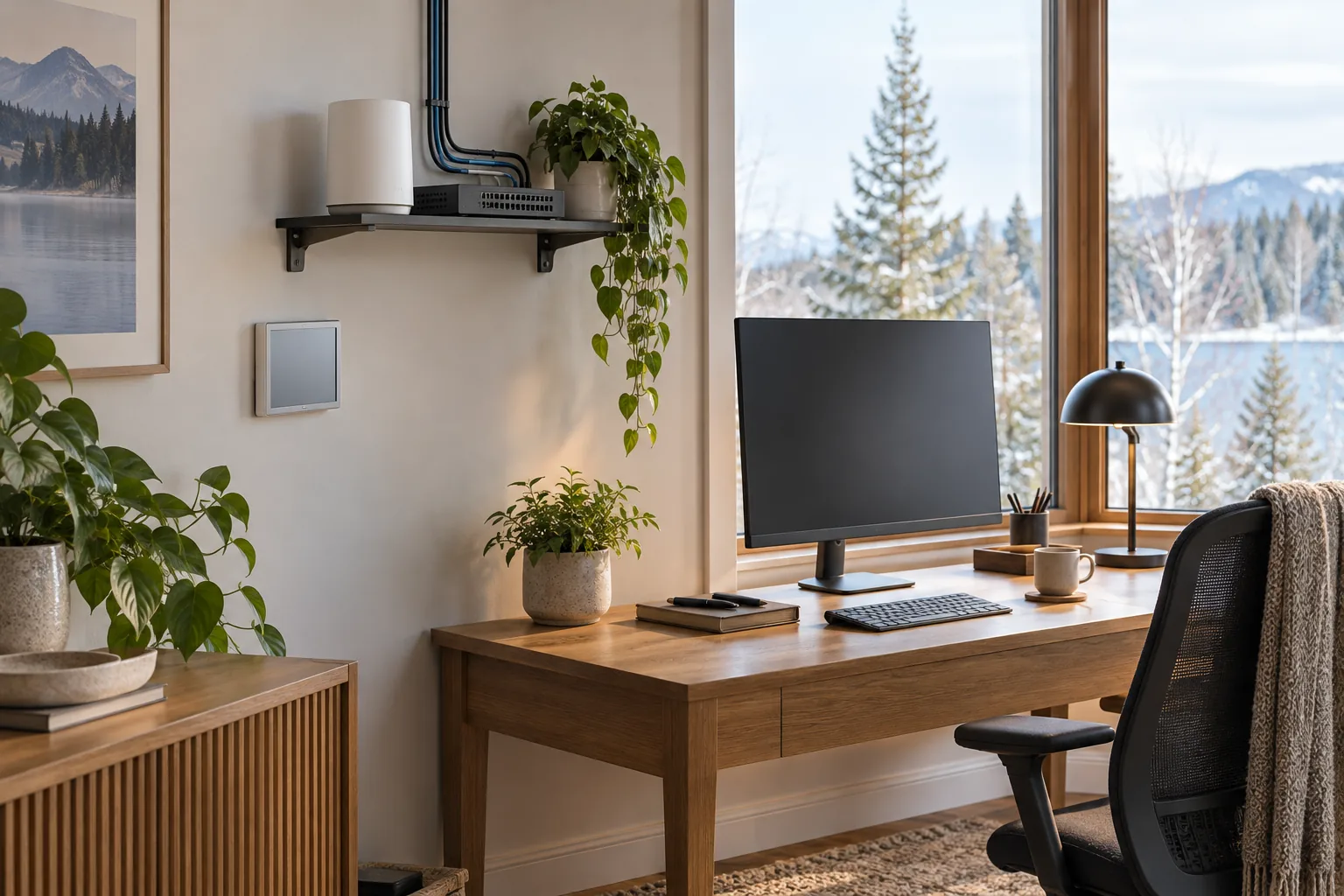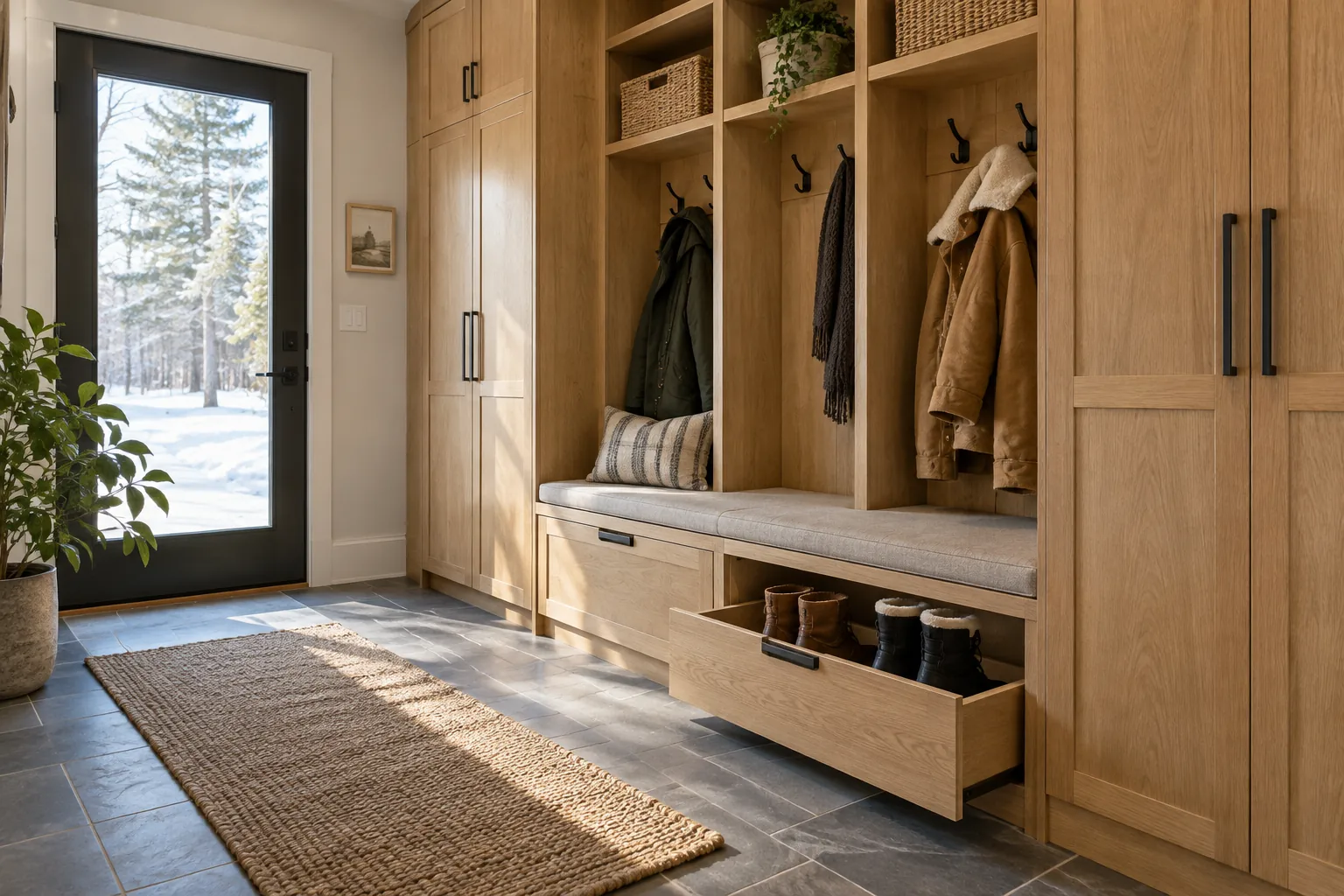
A first lifestyle room or specialist fitting needs an equipment list and a realistic plan for its dependencies.
Choose the arrangement around real use
Define the activity in concrete terms. A home gym needs operating space and floor review; a recording room needs a signal path and acoustic objective; a projector needs viewing geometry. Wine storage, plant walls and pet doors have their own material, environmental and support questions. The catalogue describes these different requests without implying the same provider is suitable for all of them.
Coordinate support and connected work
Separate equipment fitting from building performance. Gym flooring does not establish structural capacity; acoustic panels do not automatically soundproof a room; window film should not be described as unbreakable protection. Check the exact product and the existing assembly. Include suitable electrical, water or gas work where the chosen activity depends on it.
Finish with a useful handover
Use the completed setup as the basis for a practical demonstration. Review the projector image, recording test, rack loading or equipment controls specified in the brief. Keep instructions and care information with the product record. For temporary seasonal lighting, agree removal and storage. For child-safety products, retain their limitations and follow the maker’s continuing-check guidance.
Apply the brief to the actual home
Ask for the first ordinary use to be demonstrated with the actual equipment. A test recording, projected image or controlled rack movement is more informative than a statement that assembly is finished.
Details to bring into the conversation
- Do not invent clinical or performance outcomes
- Confirm loaded support for specialist equipment
- Keep temporary and permanent lighting scopes distinct